

Malaysia has been steadily moving towards a cashless lifestyle for years, but recently the pace has picked up dramatically. With almost the entire country online (about 97.7 percent of Malaysians are active internet users as of 2025), the way people pay for things is changing faster than ever. (DataReportal)
Card payments alone are predicted to reach more than MYR 814 billion in 2025, and the shift from ATM withdrawals to tapping at the counter shows that Malaysians now expect speed and convenience whenever they make a purchase. (GlobalData)
With so many people paying digitally, businesses that rely on receiving cashless payments t must think about something simple but critical: are the payment devices and the payment gateway working well together? When either side breaks down, customers feel it instantly.
Why Malaysia Needs a Streamlined Device-to-Gateway Alignment
Malaysia is one of the most enthusiastic adopters of cashless payments in the region. A Mastercard survey found that Malaysians are among the world’s fastest to embrace instant payments, QR codes and digital wallets. More than 80 percent expect to use these methods regularly. (Fintech News Malaysia)
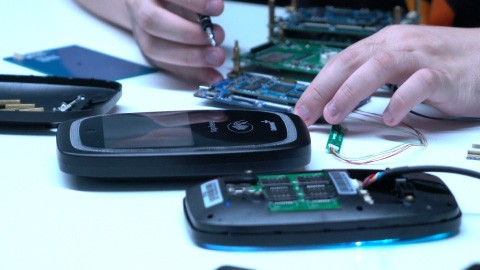
This trend puts pressure on the hardware that customers interact with every day. Whether it is tapping at a retail counter or scanning a QR code at a parking gate, the device must respond quickly. If it hesitates or times out, the entire payment experience falls apart.
When the device and gateway are “in sync”, things just work:
- The tap or scan is processed instantly
- The gateway routes the transaction smoothly
- Customers move on without slowing down
- Merchants avoid unnecessary disputes and complaints
In a country that increasingly pays with a tap or a scan, that reliability becomes a real competitive advantage.
High Payment Volumes Mean Small Failures Become Big Problems
The numbers speak for themselves. Malaysia recorded RM 21.5 billion in digital payments in May 2025 alone—a 70 percent increase year-on-year. (RinggitPlus)
QR payments are exploding too, with more than 2.6 million Malaysian merchants accepting QR codes today. (SoyaCincau)
As volumes surge, even a tiny delay at one device can cause trouble. A slow response at an LRT gate builds a queue; a timeout at a vending machine frustrates customers; a stuck payment at a parking boom gate leads to manual override and angry honking.
When things go wrong, businesses feel the impact instantly:
- More customer complaints
- Longer lines
- Extra work for staff
- Lost revenue from failed transactions
This is why reliability needs to be built into the whole journey and not patched later.
Predictable Devices Make the Whole System Stronger
The Malaysian payment industry [ww1] relies on a mix of cards, wallets and QR standards. With so many payment methods running at once, unpredictability becomes the biggest enemy.
Research shows the local payments market will continue to grow at a strong pace, especially for online and mobile transactions. (Mordor Intelligence)
When a device always behaves the same way with fast response, stable connection, consistent performance, the backend gateway can optimise everything else around it:
- Fewer errors
- Less need for manual checks
- More accurate reporting
- Smoother reconciliation
- Happier customers and merchants
Predictability makes the entire system easier to operate, scale and support.
Malaysia’s Cashless Moment, with a Glimpse at the World
Malaysia is in a strong position globally.
- Nearly 35 million Malaysians are online.
- Card payments are expected to pass MYR 422 billion in 2025.
- BNPL (Buy Now Pay Later) is growing at more than 15 percent annually.
([DataReportal], [GlobalData], [GlobeNewswire])
Across the region, Asia-Pacific is seen as one of the most exciting markets for digital payments, and Malaysia is right in the middle of that momentum. (ATMIA)
But global growth brings global expectations. People now assume payments should be instant, secure and effortless. If Malaysia is to stay ahead, device and gateway reliability will be key.
How Payment Solution Providers like CoherentPlus and AmpersandPay Fit the Needs of Malaysia’s Market
Businesses in Malaysia, whether retailers, parking operators, EV-charging providers, vending networks or transit systems, need payment systems that simply work every single time.
This is where CoherentPlus and AmpersandPay come together.
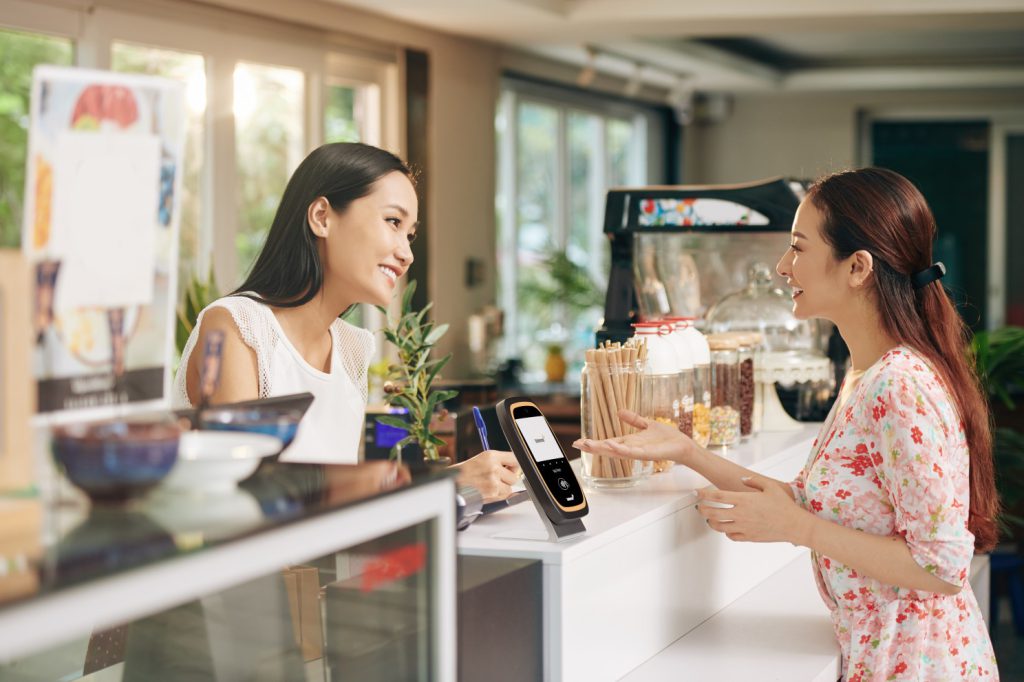
CoherentPlus provides durable, responsive terminals built specifically for real-world conditions in Malaysia: heat, rain, fast-moving queues and high-volume usage. AmpersandPay complements this with a gateway designed for Malaysia’s diverse payment environment that includes cards, QR codes, wallets and fast settlement options.
When the field devices and gateway are designed to work as one, businesses enjoy:
- Faster checkouts or boarding
- Fewer errors or complaints
- Better operational efficiency
- Happier customers
Malaysia’s cashless future is bright and pairing reliable devices with a capable gateway is how businesses can stay ahead as adoption accelerates.
Check us out at:
References
1. DataReportal – Digital 2025 Malaysia
2. GlobalData – Malaysia Card Payment Market Forecast
3. FinTech News Malaysia – Mastercard Payment Adoption Survey
4. RinggitPlus – Malaysia Digital Payments Growth
5. SoyaCincau – QR eWallet Adoption Report
6. Mordor Intelligence – Malaysia Payments Market Analysis
7. ATMIA – Asia Pacific Digital Payments Outlook
8. GlobeNewswire – BNPL Market Growth in Malaysia